

Are you struggling with hair thinning or dull, lifeless strands? You are not alone. Many people are searching for a simple, natural way to improve their hair health.
This guide reveals how magnesium for hair could be the game-changer you need. Backed by new research in 2026, magnesium plays a vital role in hair growth, strength, and overall scalp wellness.
Here, you will discover the science behind magnesium for hair, learn to spot signs of deficiency, and explore the best ways to add this essential mineral to your routine. We will also share expert tips and help you choose the right magnesium products for your unique needs.
If you are ready to achieve healthier, fuller hair, keep reading for step-by-step advice and real-life results.
Understanding Magnesium’s Role in Hair Health
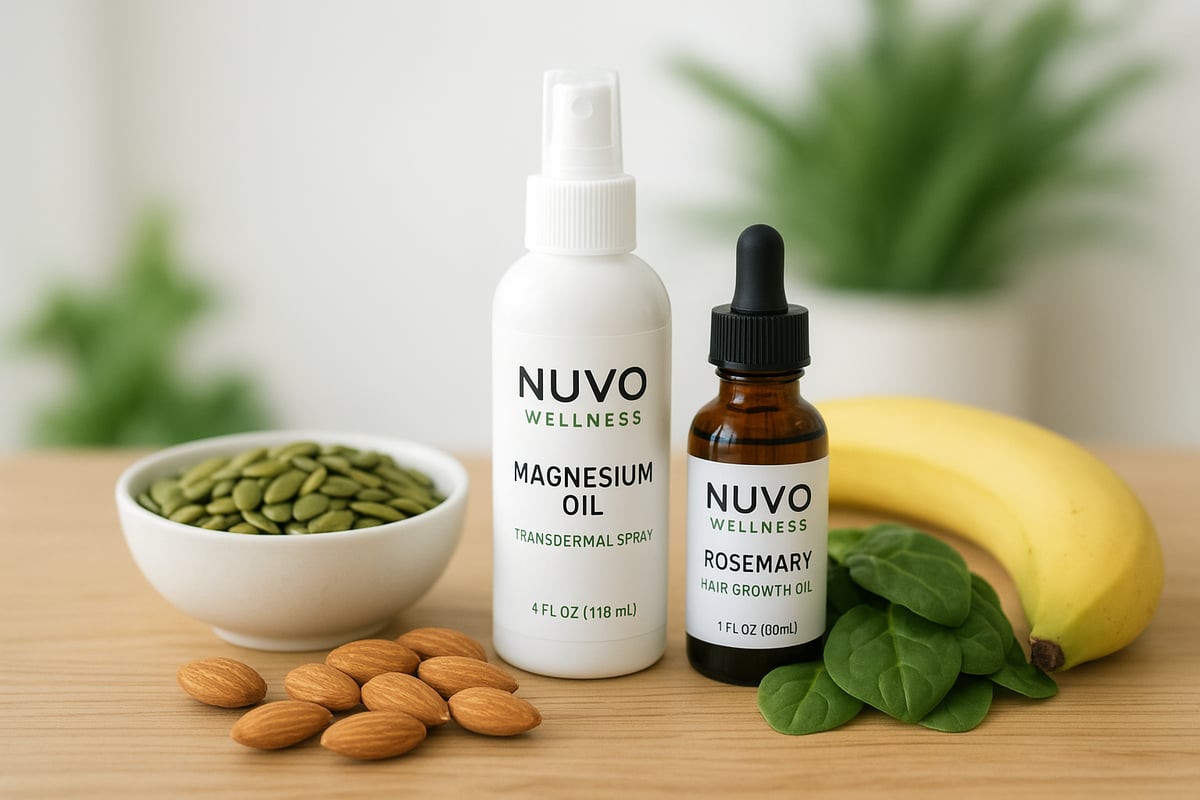
Magnesium plays a powerful role in your body, especially when it comes to hair health. As the second most abundant mineral inside your cells, it is involved in over 300 important biochemical reactions. Without enough magnesium for hair, your scalp and follicles may not get the support they need for strong, vibrant growth.
The Science Behind Magnesium and Hair
Magnesium for hair is essential for several reasons. First, it helps with protein synthesis and cell division, both of which are key for building and repairing hair follicles. This mineral also boosts energy production inside the cells, fueling healthy hair growth from the root.
One of magnesium’s most important jobs is regulating calcium in the scalp. Without enough magnesium, calcium can build up and harden around hair follicles, blocking new growth and causing inflammation. By maintaining this balance, magnesium for hair helps keep follicles open and active.
Magnesium also supports better blood flow to the scalp. This ensures that oxygen and nutrients reach the hair roots, giving them the fuel they need to grow thick and healthy. When magnesium levels drop, you might notice gradual thinning, slower growth, and even increased shedding.
Clinical studies, including recent 2025 research, have shown that people with adequate magnesium intake often see improvements in hair density and texture. Individuals with chronic deficiencies commonly experience gradual hair loss and even premature greying over time. For a deeper dive into the research, check out the Magnesium and hair growth science article.
Here’s a quick look at the recommended daily allowance (RDA):
| Group | RDA (mg/day) |
|---|---|
| Women | 320 |
| Men | 420 |
Getting enough magnesium for hair through diet or supplements is crucial for anyone looking to optimize their hair health in 2026.
Key Benefits of Magnesium for Hair
If you are looking for a simple way to boost your hair’s strength and shine, understanding the key benefits of magnesium for hair is essential. This mineral is more than just a nutrient, it plays a critical role in keeping your scalp and strands resilient.
How Magnesium Supports Stronger, Healthier Hair
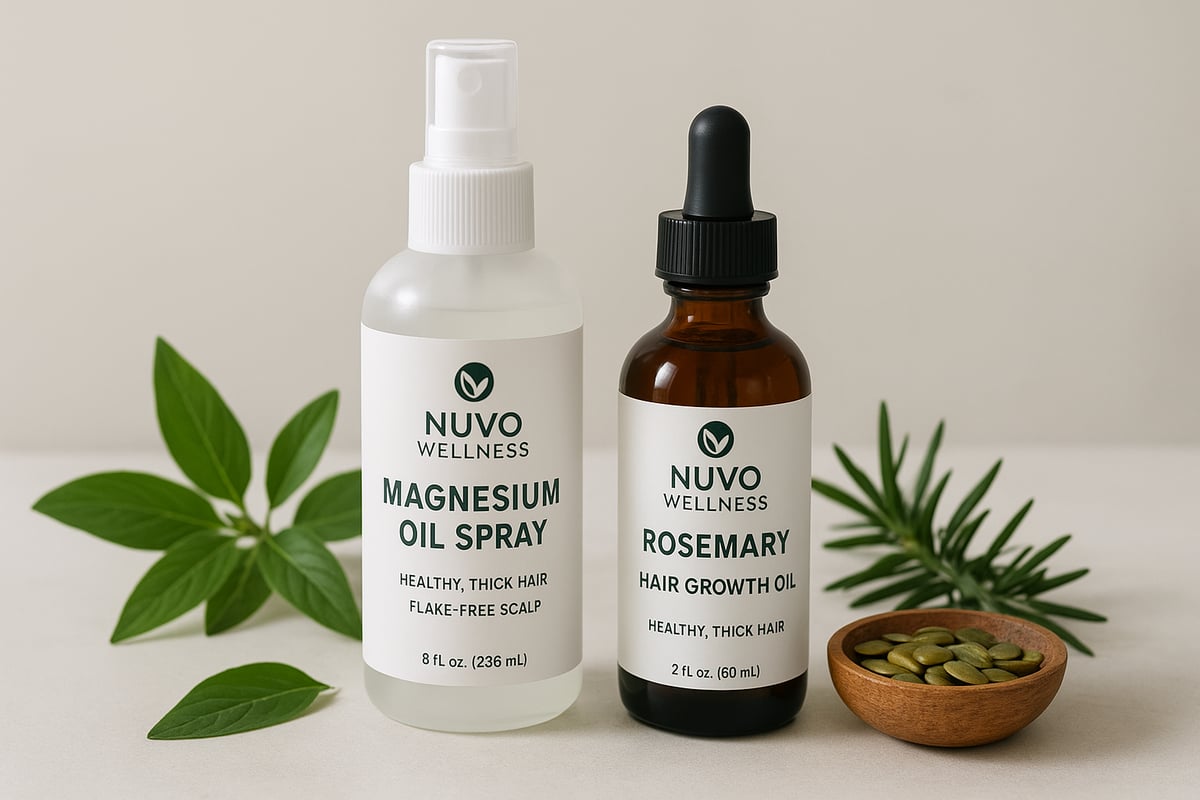
Magnesium for hair acts on multiple levels to improve both scalp and strand health:
- Prevents calcium buildup on the scalp, reducing dandruff and soothing inflammation.
- Enhances protein synthesis, making hair stronger and more resistant to breakage.
- Boosts blood flow to hair follicles, ensuring roots get vital nutrients.
- Helps balance stress hormones, which can reduce stress-related shedding.
- May slow premature greying by supporting the natural production of melanin.
- Aids in managing common hair loss conditions by calming immune responses and reducing inflammation.
Clinical studies show that regular topical use of magnesium can increase both hair growth rate and thickness. In fact, up to 50% of adults may not get enough magnesium in their diets, which can negatively affect hair quality. For a deeper dive into how this mineral impacts follicle health, see Magnesium's Impact on Hair Follicles.
With these science-backed benefits, magnesium for hair stands out as a powerful addition to any modern hair care routine.
Signs of Magnesium Deficiency Impacting Hair
Recognizing When Your Hair Needs More Magnesium
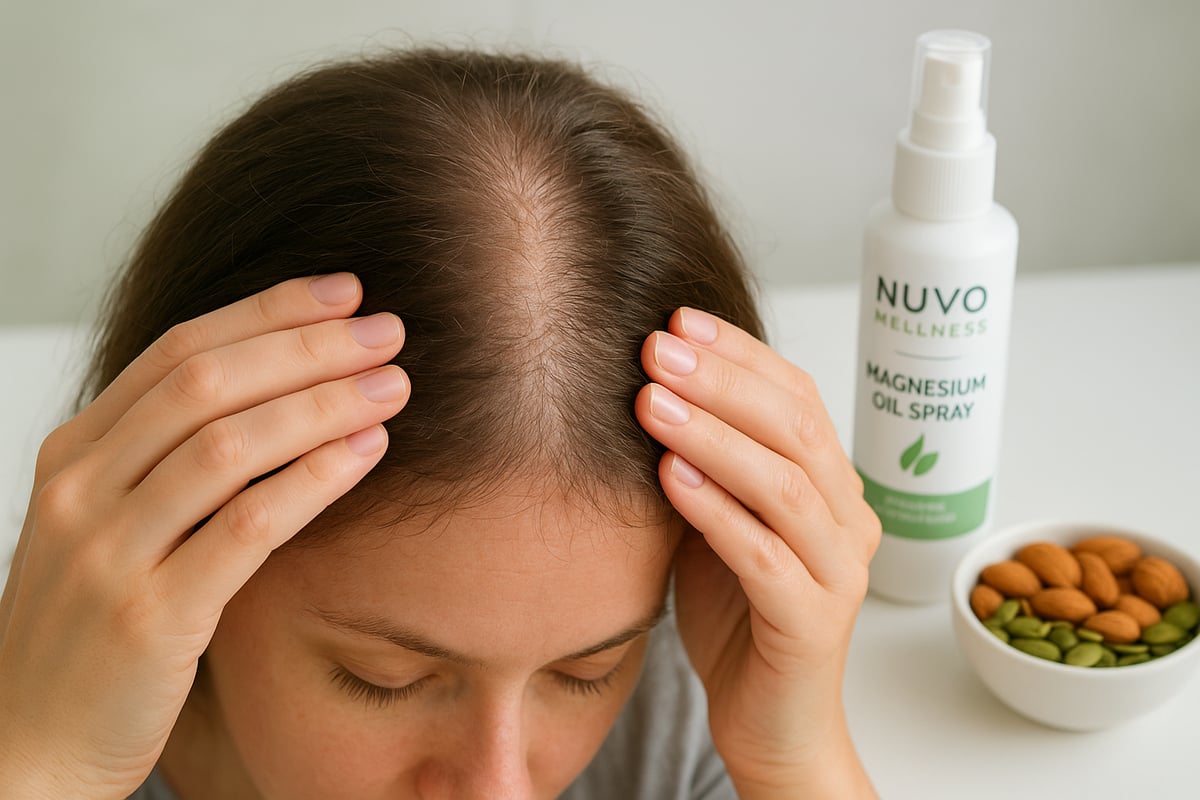
If you are noticing gradual hair thinning, increased shedding, or a scalp that feels dry and flaky, it might be time to consider the role of magnesium for hair. Magnesium deficiency can quietly impact hair over time, making these signs easy to overlook.
Common symptoms include slower hair growth, weaker strands that break easily, and persistent dandruff caused by poor cell turnover. Some people also experience increased scalp sensitivity or even premature greying when their magnesium levels are low.
Certain groups are more likely to struggle with deficiency, such as older adults, athletes who sweat heavily, those taking diuretics, or anyone with gastrointestinal disorders that affect nutrient absorption.
Real-life cases show that hair loss from magnesium deficiency often develops over several months. Many people do not realize their diet is lacking until these symptoms become more noticeable.
Despite magnesium being found in many foods, research shows that typical diets often fall short of daily needs. For a deeper look at how deficiency can lead to hair loss, visit Magnesium Deficiency and Hair Loss.
Best Ways to Use Magnesium for Hair in 2026
Wondering how to get the most from magnesium for hair? The right approach can make all the difference in your results. Let’s explore the best ways to incorporate magnesium for hair into your daily routine, from your diet to your scalp care.
Dietary Sources and Supplementation
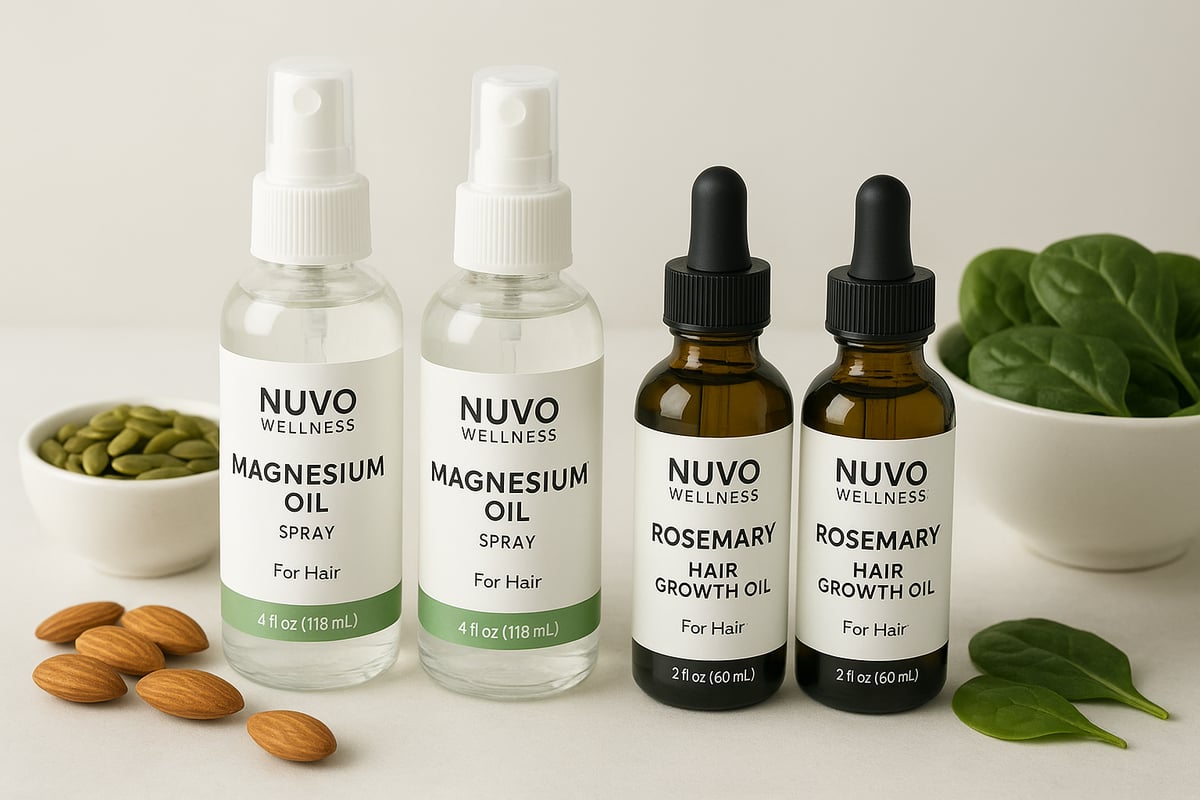
Start by adding magnesium-rich foods to your meals. Top options include pumpkin seeds, spinach, almonds, chia seeds, black beans, brown rice, and bananas. These foods support your body’s overall supply of magnesium for hair health and vitality.
Supplements can help if your diet falls short. Magnesium citrate and glycinate are gentle and easy to absorb. Aim for 320 mg per day if you are a woman, or 420 mg if you are a man. Remember, a single banana gives only 32 mg, so many people need more than food alone. Consult your provider for personalized advice.
Topical Magnesium for Hair and Scalp
Topical products deliver magnesium for hair directly to the roots. Magnesium oil sprays and serums, like those from Nuvo Wellness, can be massaged into your scalp for targeted benefits. This method helps bypass absorption issues and focuses on the scalp, where it matters most.
For best results, apply magnesium oil two to three times per week, massage gently, and leave it on for at least 20 minutes. Many users see less flakiness and better hair texture after regular use. To learn more about proper application, see How to use magnesium oil for hair.
Choosing the Right Magnesium Products
Look for pure, high-quality magnesium chloride or magnesium oil when selecting products. Avoid artificial fragrances, chemicals, or preservatives, especially if you have sensitive skin or scalp.
Nuvo Wellness offers Canadian-made, chemical-free magnesium sprays and hair oils that are vegan, cruelty-free, and eco-friendly. These products are designed for families and those who value clean ingredients. Choosing the right magnesium for hair product ensures you get safe, effective results every time.
Expert Tips and Best Practices for Maximizing Results
Ready to unlock the full potential of magnesium for hair? Follow this expert-backed step-by-step routine to achieve stronger, healthier locks in 2026.
Step-by-Step Guide:
- Assess Intake: Review your daily magnesium for hair intake and current hair health.
- Boost Diet: Add magnesium-rich foods like almonds and spinach to your meals.
- Supplement Wisely: If needed, select a gentle, high-quality supplement.
- Topical Application: Use a magnesium oil spray or serum from magnesium products for hair care directly on your scalp two to three times a week.
- Massage and Wait: Gently massage, leave on for 20–30 minutes, then rinse or style as usual.
- Track Progress: Notice changes in hair texture and scalp health over several weeks.
- Optimize Routine: Maintain a balanced hair care regimen with minimal heat styling.
Consistency is crucial when using magnesium for hair. Most users see less scalp flakiness and stronger strands within one month. Typically, visible results appear after four to eight weeks of routine use.
Frequently Asked Questions about Magnesium for Hair
Curious about using magnesium for hair? Here are some of the most common questions answered to help guide your journey to healthier hair.
Can too much magnesium cause hair loss?
No, excess magnesium is typically excreted by the body, though very large doses might cause digestive discomfort.
Which type is best for hair?
Magnesium citrate and glycinate are effective for supplements, while magnesium chloride is ideal for topical use.
Is topical magnesium safe for all hair types?
Yes, but always patch test if you have sensitive skin.
How soon will I see results?
Most people notice benefits from magnesium for hair after 4 to 8 weeks of consistent use.
Can magnesium reverse hair loss?
It supports healthy hair and may reduce shedding. For severe loss, consult a professional. Explore more science on Magnesium's Role in Hair Health.
Are magnesium products safe for children?
Natural, chemical-free products are generally safe, but check with a pediatrician.
Any tips for better results?
Combining magnesium for hair with natural oils like rosemary can enhance results.
Most users report visible improvement in hair quality within a month of regular use.
Now that you know how crucial magnesium is for stronger, healthier hair—and how diet alone might not be enough—it makes sense to give your hair the best chance to thrive. If you’re looking for a simple, natural way to support your hair goals without harsh chemicals or artificial additives, why not experience the benefits of a pure, topical solution? Many people have noticed less shedding, a healthier scalp, and real improvement in just a few weeks. Ready to get started? You can Try our Magnesium Spray now! and take the next step toward vibrant, resilient hair.