

Are you searching for a natural way to boost your hair’s health in 2025? More people are turning to chemical-free remedies, and magnesium oil for hair growth has become a trending topic in wellness circles.
If you want a gentle, effective solution, you’re not alone. This guide explains how magnesium oil for hair growth works, shares its science-backed benefits, and gives you practical steps for safe and optimal results.
Discover what magnesium oil is, how it supports hair health, the key benefits, easy application tips, expert insights, and what results you can expect. Ready to start your journey to healthier hair? Follow this guide and see the transformation for yourself.
Understanding Magnesium Oil: What It Is and How It Works
Magnesium oil for hair growth has become a trending topic in natural wellness circles. Many people are curious about how this mineral solution can help support scalp and hair health. Before exploring the benefits, let’s break down what magnesium oil really is, why it matters for your hair follicles, and how the body absorbs it through the scalp.
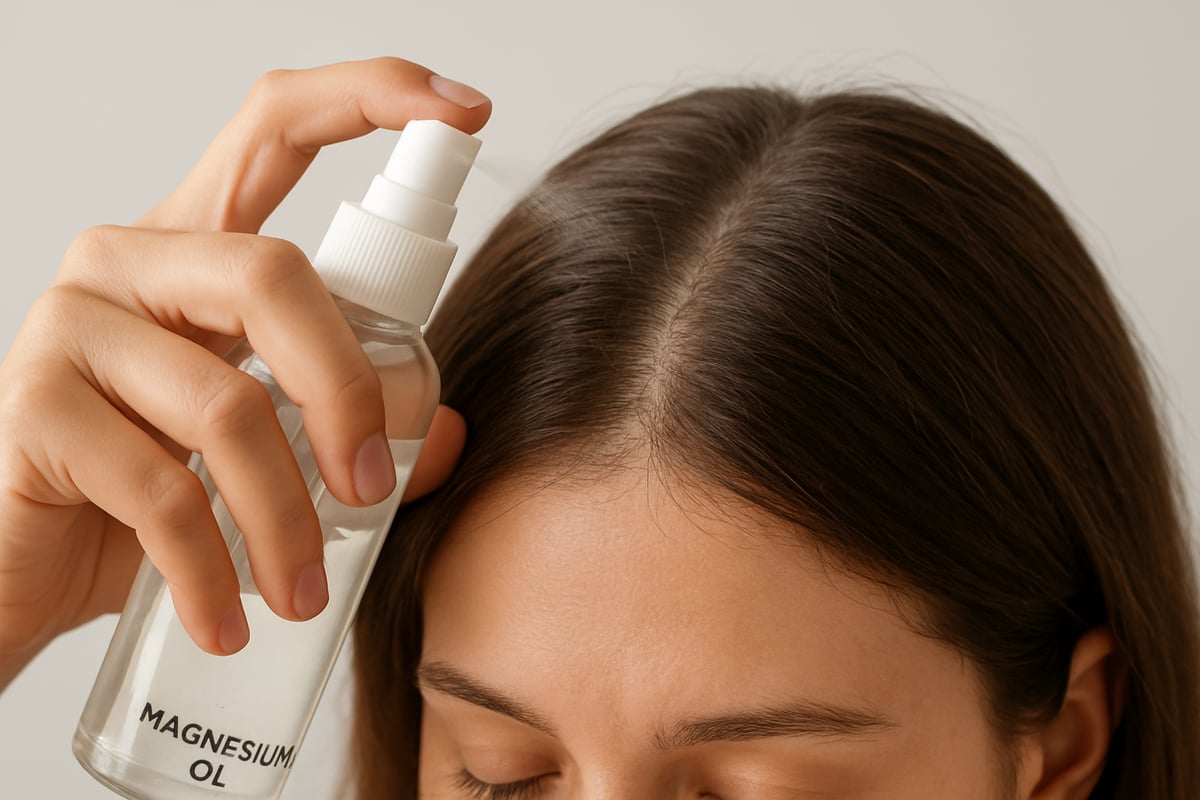
What is Magnesium Oil?
Magnesium oil is a solution made by mixing magnesium chloride flakes with water. Despite the name, it isn’t actually an oil. The mixture feels slightly slippery, which is why people call it “oil.”
Most magnesium oil comes from natural sources like ancient seabeds or salt lakes. The magnesium chloride is extracted, purified, and dissolved in water.
People use magnesium oil for more than just hair. It’s popular for soothing sore muscles, easing tension, and even helping with sleep. Compared to magnesium supplements or Epsom salts, the oil is applied directly to the skin for faster, targeted effects.
Magnesium oil for hair growth is considered safe for most people when used topically. Its ability to absorb through the skin makes it a favorite in wellness routines.
The Role of Magnesium in Hair and Scalp Health
Magnesium is vital for many processes in the body, including maintaining healthy hair follicles. It helps with cell regeneration and protein synthesis, both important for strong hair growth.
Studies show that magnesium improves blood flow to the scalp, which can help nourish follicles and reduce inflammation. This is especially important since scalp inflammation can lead to hair thinning and shedding. Research also reveals that many adults have a magnesium deficiency, which may contribute to weaker, thinning hair.
Dermatologists often highlight the need for proper mineral balance, explaining that magnesium works alongside nutrients like calcium and vitamin D to support hair structure. Without enough magnesium, the hair’s growth cycle can be disrupted.
If you’re interested in the science behind magnesium oil for hair growth, check out this detailed resource: Magnesium and hair growth explained.
How Topical Magnesium Oil is Absorbed
When you apply magnesium oil for hair growth directly to your scalp, it’s absorbed through the skin—a process called transdermal absorption. This method allows magnesium to reach the hair follicles quickly without passing through the digestive system.
Applying magnesium oil topically can be especially helpful if you have trouble absorbing magnesium from food or supplements. Factors like skin type, the concentration of the oil, and how long you leave it on all affect how much magnesium your scalp absorbs.
Some studies compare oral and topical magnesium, showing that the oil can deliver magnesium efficiently through the skin. People with sensitive skin might notice a tingling sensation at first, but this is usually temporary.
Many users share positive experiences, reporting that magnesium oil for hair growth feels refreshing and easy to use. They often mention a tingling feeling as a sign that the product is working.
Key Benefits of Magnesium Oil for Hair Growth
Unlocking the full potential of magnesium oil for hair growth starts with understanding how this natural remedy supports healthier, fuller hair. As more people search for gentle, effective alternatives to chemical treatments, magnesium oil stands out for its science-backed benefits. From strengthening strands to soothing the scalp, its unique properties offer a holistic approach to hair wellness. According to research, magnesium and hair growth are closely linked, making this mineral-rich oil a valuable addition to modern hair care routines.
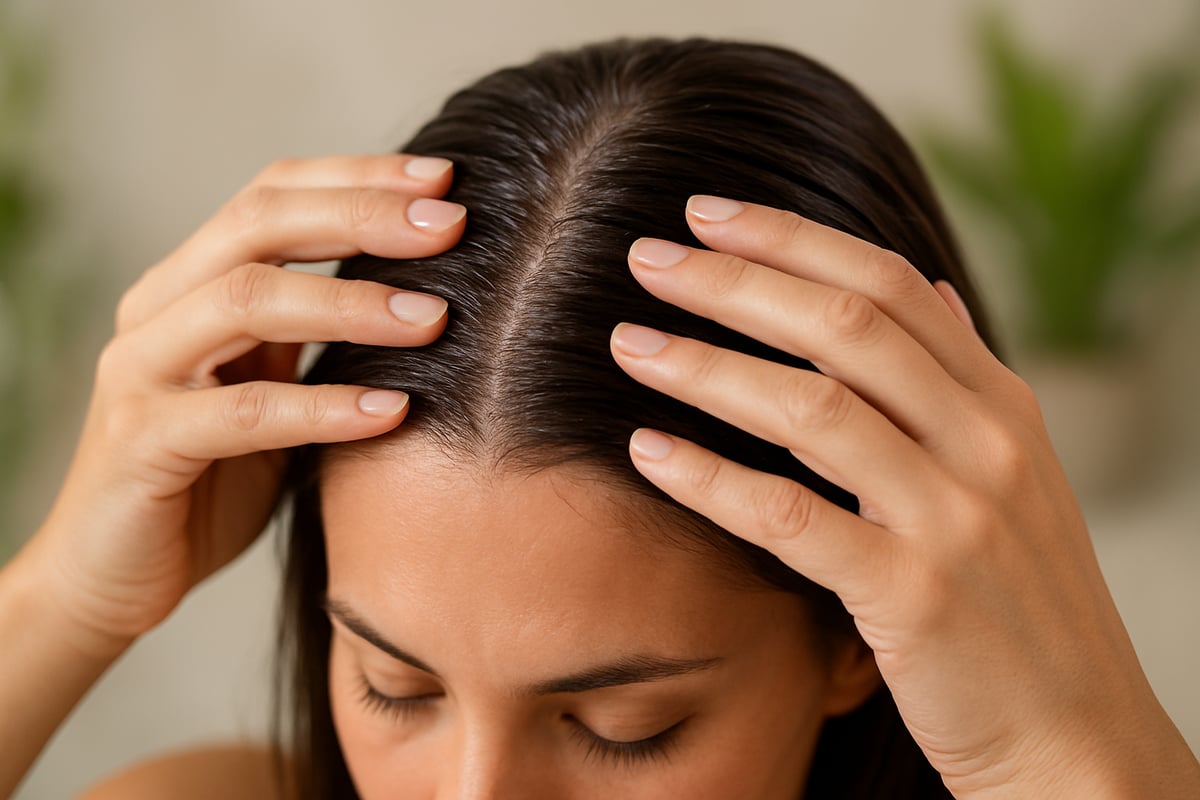
Promotes Stronger, Thicker Hair
One of the most noticeable benefits of magnesium oil for hair growth is its ability to strengthen hair from the root to the tip. Magnesium supports the structure of hair follicles, reducing breakage and brittleness. Many users report less hair shedding and improved strand thickness after regular application. Surveys in 2025 show that people who add magnesium oil for hair growth to their routine often notice fuller hair within months.
- Strengthens the hair shaft
- Reduces split ends and breakage
- Makes hair appear denser and healthier
Consistent use helps create a foundation for resilient hair, making it less prone to damage from styling or environmental stressors.
Stimulates Scalp Circulation
Healthy hair begins with a nourished scalp. Magnesium oil for hair growth works by encouraging better blood flow to the scalp, thanks to its gentle vasodilating effect. Improved circulation means more nutrients reach each follicle, supporting growth and overall hair health. This benefit is similar to what you might experience from regular scalp massages but with the added advantage of mineral support.
- Boosts nutrient delivery to hair roots
- Encourages new hair growth
- May improve hair density over time
People with thinning hair often find that this enhanced circulation makes a visible difference in the fullness and vitality of their hair.
Reduces Scalp Inflammation and Dandruff
Magnesium oil for hair growth is known for its anti-inflammatory properties, making it especially helpful for those with irritated or flaky scalps. By calming inflammation, magnesium can relieve itching and reduce the occurrence of dandruff. Studies show that scalp issues like flaking and redness affect a large percentage of adults, but adding magnesium oil for hair growth can help restore comfort and clarity.
- Soothes itching and irritation
- Decreases visible flakes
- Promotes a healthier scalp environment
Many users share before-and-after photos showing reduced dandruff and a calmer scalp after a few weeks of use.
Balances Oil Production and Scalp pH
Keeping the scalp’s oil production in balance is key for healthy hair. Magnesium oil for hair growth helps regulate sebum, preventing both excess oiliness and dryness. This creates an ideal environment for hair growth and prevents clogged follicles, which can hinder new hair from emerging.
- Controls oily scalp and reduces greasiness
- Prevents dryness and flaking
- Maintains a healthy pH balance
Testimonials from users with both oily and dry scalp types highlight how magnesium oil for hair growth brings their scalp back into harmony.
Supports Stress Reduction and Hair Cycle Balance
Stress is a common cause of hair loss, disrupting the natural hair growth cycle. Magnesium oil for hair growth offers calming benefits for the nervous system, helping to lower stress levels and, in turn, reduce stress-related hair shedding. Many users report better sleep and less hair fall when they incorporate magnesium oil for hair growth into their self-care rituals.
- Lowers cortisol, the stress hormone
- Supports balanced hair growth cycles
- Enhances relaxation and sleep quality
By making stress management part of your hair care, magnesium oil for hair growth provides a holistic boost to both your scalp and your overall well-being.
Choosing the Best Magnesium Oil for Hair Growth
Selecting the right magnesium oil for hair growth is essential for achieving the best results. With so many products on the market, knowing what to look for can help you make a confident, informed choice.
Factors to Consider When Selecting Magnesium Oil
When choosing magnesium oil for hair growth, purity is key. Look for products made from 100 percent natural magnesium chloride, ideally sourced from well-known locations like the Zechstein seabed. Avoid oils with artificial fragrances or chemical additives, as these can irritate the scalp and reduce effectiveness.
Concentration is another important factor. A higher magnesium content supports better results, but beginners may prefer a slightly diluted formula to reduce the risk of tingling. Always check the label for ingredient transparency and sourcing information. Products made in Canada or those with clear ingredient lists are often more reliable.
Here’s a quick comparison table to help you evaluate options:
| Feature | High-Quality Oil | Lower-Quality Oil |
|---|---|---|
| Purity | 100% magnesium chloride | May contain fillers |
| Scent | Odorless or mild | Strong/artificial |
| Source | Transparent, reputable | Unclear/undisclosed |
| Additives | None | Preservatives, dyes |
Reading labels carefully and comparing brands ensures you get a safe, effective magnesium oil for hair growth. Choose products that are trusted by users and recommended in wellness communities.
Why Choose Natural, Canadian-Made Magnesium Oils?
Natural, Canadian-made magnesium oils stand out for their quality and safety. Local production means stricter quality control and traceability, so you know exactly what you’re applying to your scalp.

Many Canadian brands focus on eco-conscious practices, offering vegan and cruelty-free magnesium oil for hair growth. These options are often free from harsh chemicals, making them suitable for sensitive skin and family use. Certifications like organic or non-GMO add another layer of trust.
Highlighting a brand such as Nuvo Wellness, you’ll find pure, natural solutions that align with green beauty values. Choosing locally made magnesium oil for hair growth supports both your wellness goals and environmental responsibility.
Reading Reviews and Understanding User Experiences
Before settling on a magnesium oil for hair growth, take time to read customer testimonials and third-party reviews. Real user feedback reveals how effective a product is in practice, as well as any issues with scent, irritation, or packaging.
Pay attention to mentions of hair texture improvements, reduced shedding, and ease of use. Top-rated magnesium oils for hair growth in 2025 often earn high satisfaction scores, with many users reporting visible results within a few months.
Look for patterns in reviews, such as repeated praise for gentle formulas or frustration with leaky bottles. This helps set your expectations and guides your decision. By weighing user experiences, you can confidently choose a magnesium oil for hair growth that fits your needs and delivers real benefits.
Step-by-Step Guide: How to Use Magnesium Oil for Hair Growth
Unlocking the full potential of magnesium oil for hair growth starts with a well-planned, careful approach. Each step in your routine matters, from prepping your scalp to troubleshooting sensitivities. By following these guidelines, you set yourself up for healthier, stronger hair and minimize risks along the way.
Preparation: Getting Started
Before you begin using magnesium oil for hair growth, it is essential to prepare properly. Start by performing a patch test on a small area of your scalp or inner arm. This will help you spot any potential irritation before full application.
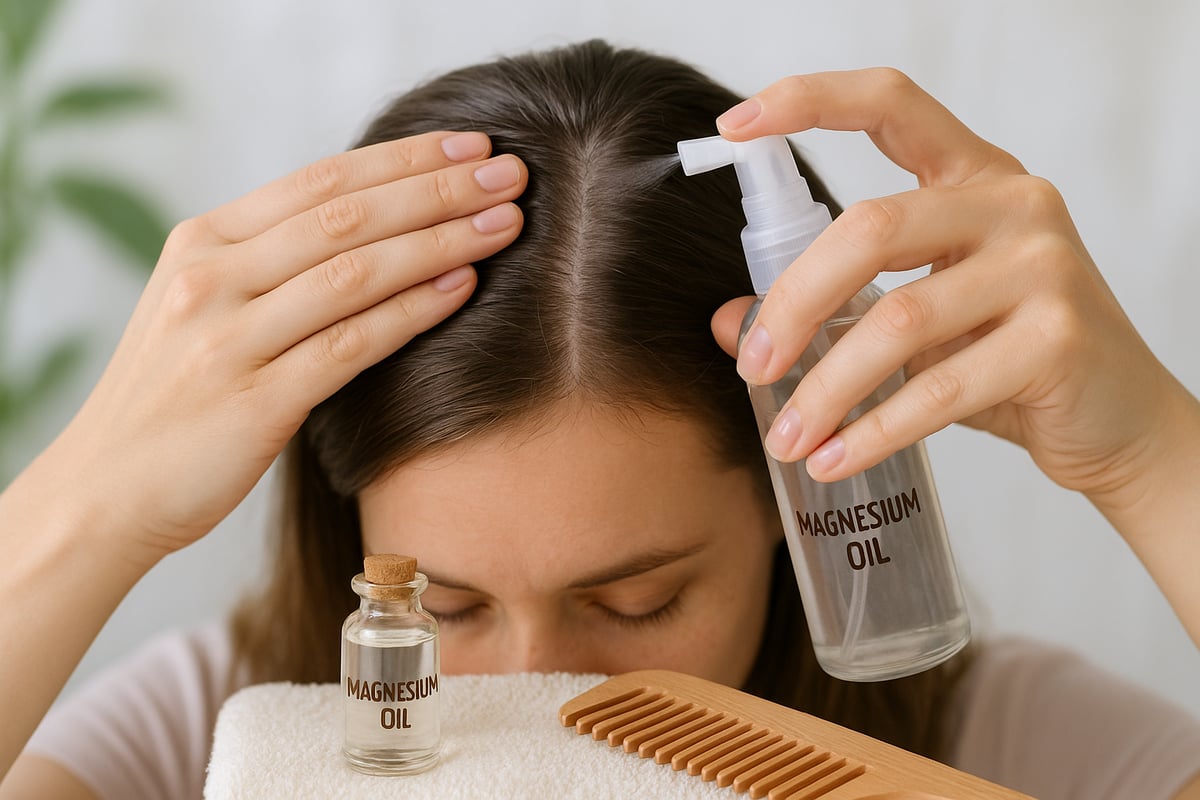
Gather your tools: a clean spray bottle or dropper for easy, targeted application, a wide-tooth comb for sectioning, and gloves if you have sensitive skin. For first-time users, consider diluting the magnesium oil for hair growth with an equal amount of distilled water to reduce the intensity.
Decide if you want to apply before or after washing your hair. Pre-wash applications allow you to rinse off residue, while post-wash can maximize absorption. Avoid common mistakes like skipping the patch test or using too much product at once.
Proper preparation ensures your scalp is ready to absorb magnesium oil for hair growth safely and effectively.
Application Techniques for Maximum Results
To get the most out of magnesium oil for hair growth, divide your hair into sections. This approach ensures even coverage across your entire scalp. Use about five to ten sprays, depending on your hair’s thickness and length. Focus on the roots, as this is where new growth begins.
Gently massage the magnesium oil for hair growth into your scalp using your fingertips for three to five minutes. This increases blood flow and enhances absorption. You can choose to leave the oil in for 20–30 minutes or, if you have a non-sensitive scalp, leave it overnight and rinse out in the morning.
For detailed application methods, check out this guide on how to use magnesium spray.
Different routines work for different hair types. Curly hair may benefit from more sectioning and less product, while straight hair often absorbs magnesium oil for hair growth quickly. Always adjust your technique based on your personal experience.
Frequency and Duration of Use
Consistency is key when using magnesium oil for hair growth. Most users see the best results by applying it two to three times a week. If your scalp is sensitive, start with once a week and gradually increase frequency as your skin adjusts.
Track your progress by noting changes in hair texture and scalp health each month. Overuse can lead to dryness or irritation, so watch for signs like redness or excessive tingling. If these occur, reduce frequency or dilute the magnesium oil for hair growth further.
Stick with your routine for at least three months before expecting visible changes. Patience and regular application make a noticeable difference in outcomes.
Combining Magnesium Oil with Other Hair Growth Practices
For holistic results, combine magnesium oil for hair growth with other natural practices. Pair it with scalp massages, derma rolling, or nourishing oils like rosemary or jojoba. This synergy boosts nutrient delivery and supports overall scalp health.
A balanced diet rich in magnesium, iron, and vitamins enhances the effects of magnesium oil for hair growth from within. Avoid harsh chemical treatments or excessive heat styling, as these can counteract your progress.
Many users find that integrating magnesium oil for hair growth into a broader regimen delivers the best results. Try alternating applications with other oils or using magnesium oil for hair growth after a gentle scalp exfoliation for optimal absorption.
Troubleshooting: Managing Side Effects and Sensitivities
It is common to experience mild tingling or itching when starting magnesium oil for hair growth. These sensations usually fade as your scalp acclimates. If discomfort persists, dilute the solution further or apply every other day.
Some users with sensitive skin may notice dryness. Combat this by following up with a lightweight moisturizer or nourishing hair oil. If you develop a rash or severe irritation, discontinue use and consult a dermatologist.
Case studies show that with careful adjustment, most people can use magnesium oil for hair growth safely. Listen to your scalp’s feedback and modify your routine as needed to achieve healthy, vibrant hair.
What to Expect: Results, Timelines, and Realistic Outcomes
When starting with magnesium oil for hair growth, it's natural to wonder what kind of changes you can expect and how soon they'll appear. Each person's hair journey is unique, so understanding typical results and timelines helps set realistic expectations.
Visible Changes: What Users Report
Many people using magnesium oil for hair growth notice subtle changes within the first few weeks. The earliest improvements often include less hair breakage and a softer, more manageable texture. Users commonly report reduced shedding after a month of regular application.
Online forums and user testimonials highlight other positive changes:
- New baby hairs appearing along the hairline
- Thicker, fuller ponytails and less visible scalp
- Enhanced shine and smoother strands
A survey of users found that most see visible benefits between 3 and 6 months of consistent use. Before-and-after photos often show a gradual increase in hair density over time. However, results can vary based on age, genetics, and overall health.
For more insights on practical outcomes and experiences, you can explore this Magnesium Oil for Hair Loss guide, which details real user stories and application tips.
Limitations and Who May Not Benefit
While magnesium oil for hair growth offers promising benefits, it is not a miracle solution for every type of hair loss. Individuals with genetic baldness or advanced alopecia may not experience significant regrowth. It works best for those dealing with thinning, breakage, or stress-related hair issues.
Certain groups should approach magnesium oil with caution:
- Pregnant or breastfeeding women
- People with scalp wounds, eczema, or severe sensitivities
- Those with underlying medical conditions affecting hair
Consult a healthcare professional before starting if you fall into any of these categories. Remember, patience is key. Some users see limited or slower progress, especially if other factors like hormonal imbalance or vitamin deficiencies are present.
Setting realistic goals ensures you stay motivated and avoid disappointment if changes take longer than expected.
Maximizing and Sustaining Results
To get the most from magnesium oil for hair growth, consistency is essential. Apply the oil regularly as part of your weekly hair care routine. Pair it with a balanced diet, gentle hair products, and scalp massages to enhance results.
Track your progress by taking monthly photos or keeping a journal of changes in texture and thickness. Once you reach your desired outcome, maintain your routine with less frequent applications to preserve results.
Here are simple tips for long-term success:
- Avoid harsh treatments and excessive heat styling
- Combine magnesium oil with other nourishing oils when needed
- Listen to your scalp and adjust frequency if irritation occurs
With ongoing care and patience, many users enjoy healthier, stronger hair over time.
Expert Tips and Latest Insights for 2025
Staying updated with the latest research and trends is crucial for anyone using magnesium oil for hair growth. In 2025, experts are seeing new developments that enhance both the effectiveness and user experience of this natural remedy.
Science Updates: What’s New in 2025 Research
Recent studies have deepened our understanding of how magnesium oil for hair growth works. Scientists now emphasize the importance of transdermal absorption, showing that magnesium applied directly to the scalp is absorbed efficiently by the skin. This method bypasses the digestive system, making it especially beneficial for those with absorption issues.
A 2025 review highlighted that topical magnesium can support hair follicle health by improving scalp circulation and reducing inflammation. These findings are backed by clinical trials that compare oral supplements to topical solutions, with some research suggesting even higher local bioavailability when applied to the scalp. If you want to explore the science, check out this Transdermal Magnesium Absorption Study, which provides detailed insights into how magnesium penetrates skin layers.
Dermatologists are also noting that magnesium oil for hair growth works best when deficiency is present. They recommend patch testing and gradual introduction for those with sensitive skin. Overall, the science in 2025 supports magnesium oil as a promising addition to natural hair care routines.
Integrating Magnesium Oil with Modern Hair Care Trends
Magnesium oil for hair growth is now a staple in many “clean beauty” routines. People are combining it with plant-based oils and essential oils to boost results. For example, rosemary oil is a popular partner, as it is known to further stimulate hair follicles and complement the effects of magnesium. You can learn more about combining these natural solutions in this guide on natural rosemary oil for hair.
Social media is full of trending routines that showcase magnesium oil for hair growth paired with scalp massages, derma rollers, and even high-tech scalp brushes. Eco-conscious consumers often seek vegan and cruelty-free magnesium oil, aligning with sustainable self-care values. Many users report that integrating magnesium oil with gentle, plant-based shampoos and avoiding harsh chemicals leads to better scalp balance and stronger hair.
Personalized Hair Growth Plans with Magnesium Oil
Personalization is key for success with magnesium oil for hair growth. Hair type, scalp condition, and sensitivity all play a role in how often and how much magnesium oil should be used. Curly, coarse, or color-treated hair may benefit from diluted applications or pairing with hydrating oils. Those with oily or sensitive scalps might start with less frequent use, gradually increasing as tolerance builds.
Digital apps and hair journals are trending tools for tracking progress. Users can log changes in hair texture, density, and scalp comfort over time. Experts recommend adjusting routines monthly to reflect new growth or changing needs. For stubborn or unexplained hair loss, consulting a dermatologist or trichologist ensures that magnesium oil for hair growth is part of a holistic plan, not a standalone fix.
Addressing Common Myths and FAQs
Despite the buzz, magnesium oil for hair growth is not a miracle cure. It cannot reverse genetic baldness overnight, nor does it work for everyone. Some believe that tingling means it is working, but this sensation is common and not a sign of effectiveness. Safety for colored or chemically treated hair is another frequent question—most users tolerate it well, but patch testing is always advised.
Dermatologists emphasize realistic expectations and patience. Results often appear after several months of consistent use. For more in-depth answers, you can review expert perspectives in this Magnesium's Role in Hair Health document, which clarifies common misconceptions and details the mineral’s role in restoring hair health.
Ultimately, magnesium oil for hair growth is best seen as part of a broader wellness and hair care routine. Staying informed and flexible helps maximize your results.
Safety, Precautions, and Best Practices
Staying safe and informed is crucial when adding magnesium oil for hair growth to your routine. Understanding who should use it, how to test for sensitivities, and the best ways to store and combine this product ensures you get the most benefit with minimal risk.
Who Should and Should Not Use Magnesium Oil for Hair
Magnesium oil for hair growth is generally safe for most adults, teens, and even children, provided there are no allergies or open wounds on the scalp. It is especially popular among people looking for natural alternatives to chemical treatments.
However, if you have sensitive skin, scalp conditions like psoriasis or eczema, or a history of allergic reactions, consult a dermatologist before starting. Pregnant and breastfeeding women should seek medical advice first. Avoid using magnesium oil for hair growth on broken skin or if you are allergic to magnesium chloride.
Pediatric use is possible, but always test a small area first and use a diluted solution. For those curious about the broader benefits and safety of magnesium, check out this overview of the benefits of magnesium for wellness.
Safe Usage Guidelines and Patch Testing
Before starting a magnesium oil for hair growth routine, always perform a patch test. Apply a small amount of diluted oil to your inner forearm and wait 24 hours.
Watch for redness, itching, or irritation. If any reaction occurs, discontinue use or try a weaker dilution. Sensitive users can mix the oil with water or apply a moisturizer after use to reduce tingling.
Always avoid contact with eyes, mouth, or mucous membranes. Following these steps helps ensure magnesium oil for hair growth is safely integrated into your regimen.
Storing and Handling Magnesium Oil Properly
Proper storage keeps magnesium oil for hair growth effective and safe. Store your bottle in a cool, dark place away from direct sunlight and heat.
Check the expiration date and look for signs of spoilage, such as changes in color or odor. When traveling, use a leak-proof bottle and keep the oil upright in your bag.
Always wash your hands after applying magnesium oil for hair growth to prevent accidental contact with your eyes or face. These simple habits extend the product's shelf life and ensure safe daily use.
Interactions with Other Hair and Scalp Treatments
Magnesium oil for hair growth can be used alongside many common hair treatments, but some combinations require care. It is generally safe with medicated shampoos, natural oils, and hair masks.
If you use prescription scalp treatments, check with your healthcare provider before adding magnesium oil for hair growth to your routine. Avoid applying it directly after harsh chemical treatments or intense heat styling.
For multi-product users, space out applications to minimize irritation. This helps maintain a balanced, healthy scalp environment.
Environmental and Ethical Considerations
Choosing a high-quality, environmentally responsible magnesium oil for hair growth supports your health and the planet. Look for brands that use recyclable packaging, source ingredients sustainably, and are cruelty-free.
Many top products in 2025 are vegan and free from artificial fragrances or preservatives, making them suitable for sensitive users and families. Companies leading in ethical production often display certifications on their labels.
When possible, support local or Canadian-made magnesium oil for hair growth options to reduce your carbon footprint and ensure product transparency.
Now that you know how magnesium oil works, the benefits it offers for hair health, and how to use it safely, why not take the next step toward stronger, healthier hair? You deserve a routine that’s both natural and effective—free from harsh chemicals and made with pure ingredients you can trust. At Nuvo Wellness, their magnesium sprays are crafted in Canada without artificial fragrances or preservatives, so you’re choosing quality every time. If you’re ready to start your hair growth journey with a product designed for results, Try our Magnesium Spray now!